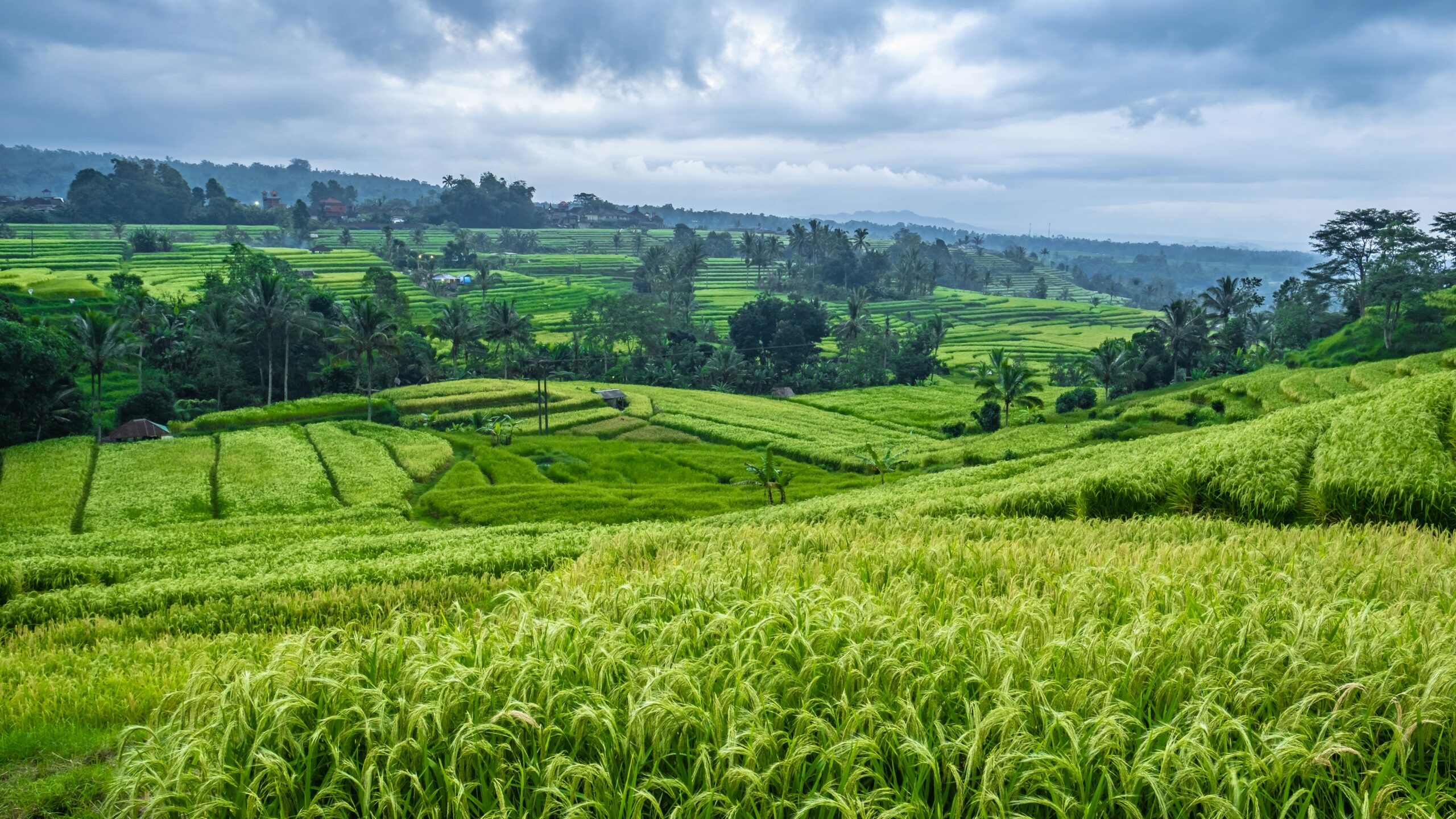
Seven countries are getting a timely boost to make farming friendlier to nature. Backed by $5.8 million from the Kunming Biodiversity Fund, alongside the UN’s food agency, these projects aim at farm improvements, ecological protection, and invasive species management; all contributing to the biodiversity direction the Kunming–Montreal goals for 2030 produced.
What the funding enhances
This funding concentrates on practical and rapid-moving work, visible and tangible in communities. Connections between national biodiversity plans and practice in fields, borders, and water are relevant, supporting policies that lead to better practices on the ground.
Country highlights
- Cook Islands: the community investigates the merging of traditional knowledge with modern data—mapping ecosystems, updating a biodiversity registry, and engaging in agroecology initiatives with a focus on women and youth.
- Madagascar, Mexico, Uganda: agriculture operations are in alignment with respective national biodiversity strategies, incentives are shifting to nature-friendly practices, and farmer networks are disseminating proven initiatives.
- Nepal: community teams organize and cooperate to identify, monitor, and mitigate invasive species early and remove them through community-led efforts to protect and enhance forests, fields, and incomes.
- Sri Lanka: border biosecurity structures are improved, frontline teams are being trained, and public awareness efforts are building to help restrict the spread of invasive species.
- Türkiye (Lake Égirdir): water wise farming and biodiversity friendly practices contribute to protecting a critical freshwater ecosystem while sustaining local economy.
Why this is important now
During these projects, we will able demonstrate how goals of a larger order are made more accessible through the synthesis and production of smaller, actionable steps with things like healthier soil, safer borders, cleaner water, and healthier communities in a more general sense. In fact, this is one of the most important steps, demonstrating that smaller, more specific grants can leverage larger grants better, and help countries accomplish their biodiversity goals by 2030. Even the FAO has shown the real evidence that nature friendly agriculture means a threefold win- better biodiversity, more diverse diet, and more tangible climate benefits that communities can use as a foundation.